Concrete Sleepers: The No-Nonsense Guide to Retaining Walls That Actually Last
Concrete sleepers are pre-cast, steel-reinforced panels used to build retaining walls that hold back soil, level out sloped blocks, and define garden borders. Unlike timber, they won't rot, warp, split, or attract termites. When installed correctly, they'll outlast the house they're built next to, and require almost no maintenance to get there.
If you're planning a retaining wall and weighing up your options, this guide covers everything you need to know: how concrete sleepers work, how they compare to timber, what styles are available, and which steel posts you need to go with them.
What Are Concrete Sleepers?
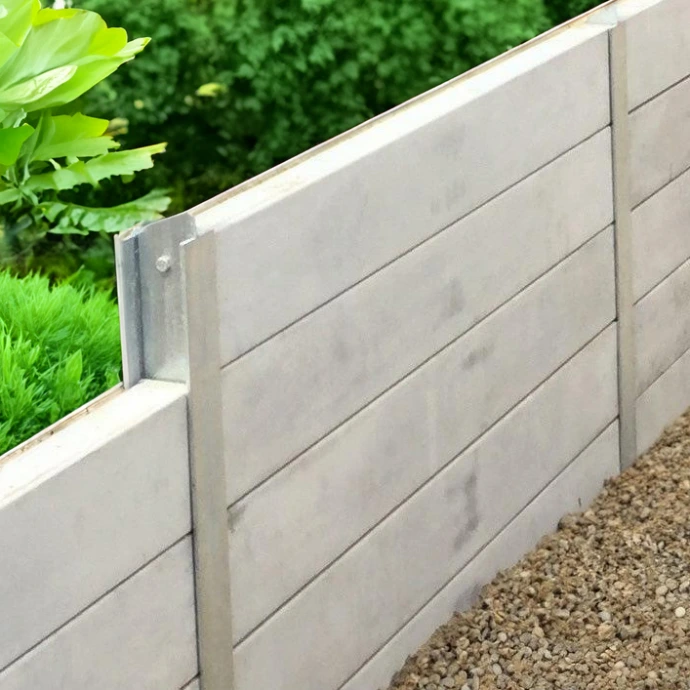
Concrete sleepers are precast panels made from high-strength 40MPa concrete, reinforced with two N12 steel bars. They're designed to be installed horizontally between galvanised steel H-posts, which are set into concrete footings at regular intervals. The posts carry the structural load; the sleepers stack into the channels to reach the required wall height.
This system is widely used across Victoria for retaining walls on residential properties, commercial sites, and civil projects. It's straightforward to install, performs reliably under sustained soil and water pressure, and comes in a range of finishes to suit different garden styles.
Standard sizes typically include 1.8m, 2.0m, and 2.4m lengths, with widths from 80mm (standard) to 100mm (heavy duty). The heavier 100mm series is engineered for taller walls and steeper embankments where greater load-bearing capacity is required.
Concrete Sleepers vs Timber Sleepers — Which Should You Choose?
This is the question most people start with. Here's an honest breakdown
Durability and Lifespan
Concrete sleepers are engineered for long-term performance. When correctly installed, they can last 50 years or more without degradation. They're resistant to rot, moisture, termites, and UV — none of which can be said for timber.
Treated pine sleepers, even well-maintained ones, typically last 15–25 years. Hardwood lasts longer but still deteriorates over time and requires periodic treatment to hold up against insects and moisture. In Melbourne's climate — hot dry summers, wet winters — timber retaining walls work hard, and that wear shows.
Maintenance
Concrete sleepers need almost none. A wash-down once a year to remove dirt and debris is about as demanding as it gets.
Timber requires periodic resealing or retreatment to resist rot and pests. Skip a few seasons and you'll start to see the signs — softness at the base, cracking along the face, movement in the wall.
Cost
Timber has a lower upfront cost. Concrete costs more to purchase and, due to weight, requires more care during installation — typically a machine for longer walls. But when you factor in replacement cost and maintenance over 20–30 years, concrete usually comes out ahead.
Height Capability
This is where concrete pulls well clear. Concrete sleeper retaining walls can be engineered to handle walls up to 4–5 metres in height with the correct post and footing design. Timber is generally limited to lower wall heights before structural concerns arise.
For anything over 1 metre, you'll need to check with your local council about permit requirements — this applies regardless of material.
Styles and Finishes Available at Daisy's
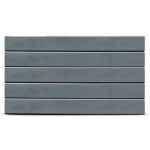
SMOOTH FACE
clean, bevelled-edge finish in plain or charcoal. Works well with contemporary homes, rendered fences, and gardens with a modern aesthetic. The smooth face is easy to clean and pairs well with steel and stone landscaping features.
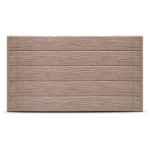
WOODGRAIN/ TIMBER LOOK
A textured face designed to replicate the look of natural timber. Available in charcoal, sandstone, and ash. A popular choice for homeowners who want the warmth of a timber wall without the maintenance headaches that come with actual wood
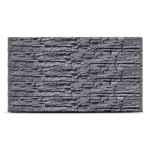
ROCKFACE
A textured face that replicates the look of stacked natural stone. Available in charcoal, sandstone, and jasper. Suits gardens with a natural, earthy feel — particularly those incorporating native plantings or stone paths. .
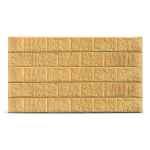
BLOCK FACE
A bold, structured finish with a block-face texture that adds depth and a premium industrial look. Available in standard and heavy-duty profiles. A strong choice for contemporary gardens where clean geometry is the goal.
Colours
All styles are available in four standard colours:
- Plain grey
- Charcoal
- Sandstone (warm yellow)
- Jasper (brown)
Custom colours can be accommodated for larger orders — ask in-store.
Browse Daisy's concrete sleepers range →
What Steel Posts Do You Need?
Concrete sleepers slot between galvanised steel posts, which are set into concrete footings to carry the structural load. Daisy's stocks a full range to suit any wall layout:
- H Channel — the standard joiner post for straight runs
- C Channel — used at the ends and returns of a wall
- 90° Corner — for walls that meet at a right angle
- 45° Corner — for angled layouts and curved wall designs
All posts are hot-dip galvanised to AS/NZS 4680:2006 and available in multiple lengths.
Browse steel retaining wall posts →
Not sure which posts suit your project? Ask in-store — our team can work it out with you.
How High Can a Concrete Sleeper Retaining Wall Go?
With the right steel posts and footing design, concrete sleeper retaining walls can be engineered for walls up to approximately 4–5 metres in height. The standard domestic range handles most residential retaining requirements; the heavy-duty 100mm series is designed for taller structures and greater soil loads.
As a general rule: any retaining wall over 1 metre in height will require a building permit in Victoria. For walls over 1.5m, engineering certification is typically required. Always check your local council requirements before starting.
Frequently asked questions
Concrete sleepers are precast from 40MPa high-strength concrete, reinforced with two N12 steel bars for structural integrity. The heavy-duty series uses the same mix with a thicker 100mm profile for additional load capacity.
When correctly installed, concrete sleepers can last 50 years or more. They're resistant to rot, moisture, UV, and termites.
Smaller walls (under 1 metre) can be a DIY project if you're comfortable with the work involved. Concrete sleepers are significantly heavier than timber, so machinery is often needed to position them. For anything taller, professional installation is recommended, and a permit may be required.
Yes, but it requires a demolition saw with a diamond-cutting blade. Keep in mind that two N12 reinforcing bars run through each sleeper, cutting through them is entirely doable but requires the right equipment.
In Victoria, any retaining wall over 1 metre in height generally requires a building permit. For walls over 1.5m, engineering certification is typically required. Check with your local council before commencing work, requirements can vary by municipality.
Standard sleepers are 80mm thick and suited to most domestic retaining wall applications using 100UC steel posts. Heavy-duty sleepers are 100mm thick, require 150UC posts or larger, and are designed for taller walls, steeper embankments, and commercial or civil applications.
They're a popular choice for exactly that reason. The Malibu woodgrain finish closely replicates the texture of natural timber, available in charcoal, sandstone, and ash. All without the maintenance, rot risk, or termite vulnerability of the real thing.
Ready to Get Started?
Daisy's deliver concrete sleepers across Melbourne, Geelong, the Mornington Peninsular and tthe Surf Coast.
Explore our concrete sleeper range