Prices may vary by store. Select your store above to confirm pricing.
- All products
- Garden & Outdoor Essentials
- Mulch
- 10MM PINE BARK
- Mulch
10mm Pine Bark FAQs
Here are some common questions about our 10mm Pine Bark.
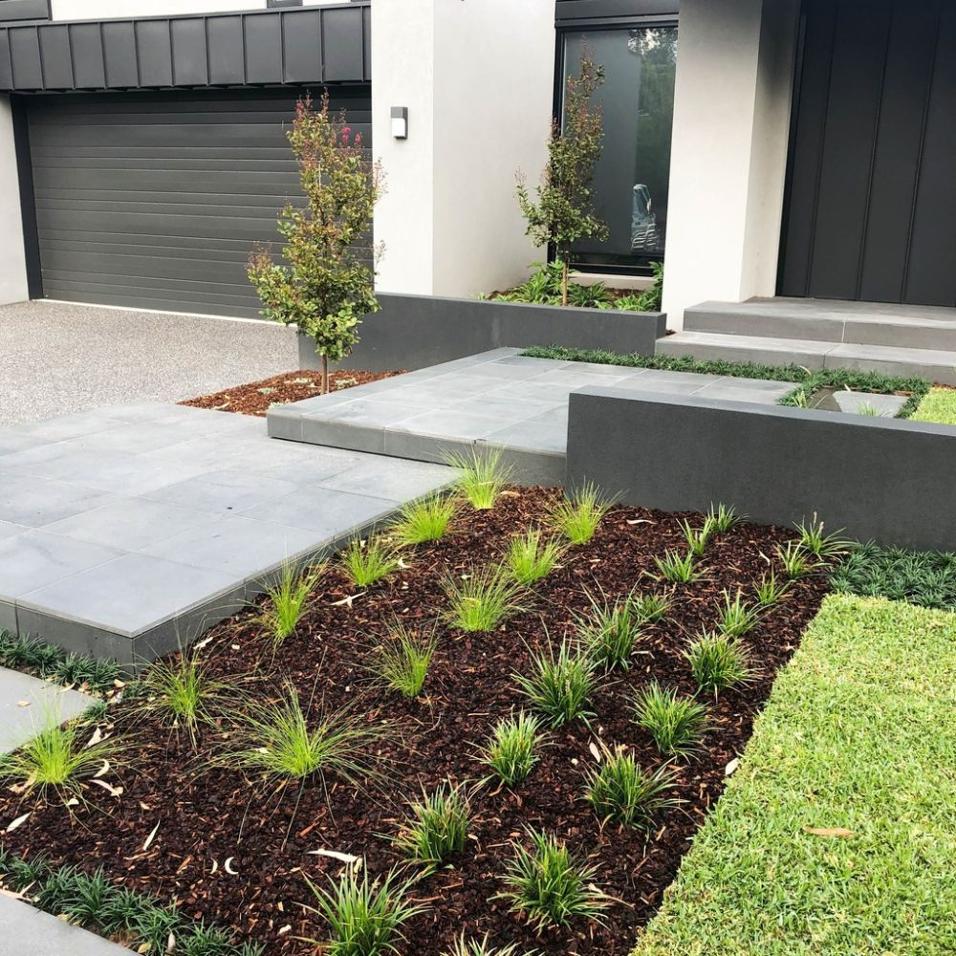
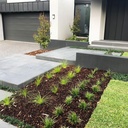
10mm Pine Bark suits garden beds, feature plantings, and cottage-style gardens where a neat, manicured finish matters. Its smaller, uniform nugget size makes it a popular choice for high-profile or formal landscaping.
10mm Pine Bark gives a finer, tidier finish and works well in smaller or more formal beds. 20mm Pine Bark is heavier and more wind-resistant, better suited to larger open areas, slopes, or exposed sites. Both are undyed and long-lasting, it comes down to the look and the site conditions.
Yes, 10mm Pine Bark is untreated and undyed, so there's no added chemical or dye to worry about. As with any mulch, it's a good idea to discourage pets from chewing or ingesting large amounts, but the bark itself isn't toxic (unlike cocoa mulch, which should never be used around pets).
Pine bark itself isn't a food source for termites the way structural timber is, but any organic mulch kept in prolonged contact with a building's foundation or timber structures can create a moist environment termites are drawn to. Keep mulch at least 50mm clear of foundations, decking, and timber structures as a precaution.
Being untreated and undyed, 10mm Pine Bark breaks down more slowly than dyed wood mulches, so it typically needs topping up less often. Re mulching every 1-2 years is recommended.
- Weed Control: A 75–100mm layer blocks light to weed seeds, reducing maintenance.
- Longevity: Untreated pine bark breaks down slower than dyed wood mulch, meaning fewer top-ups over time.
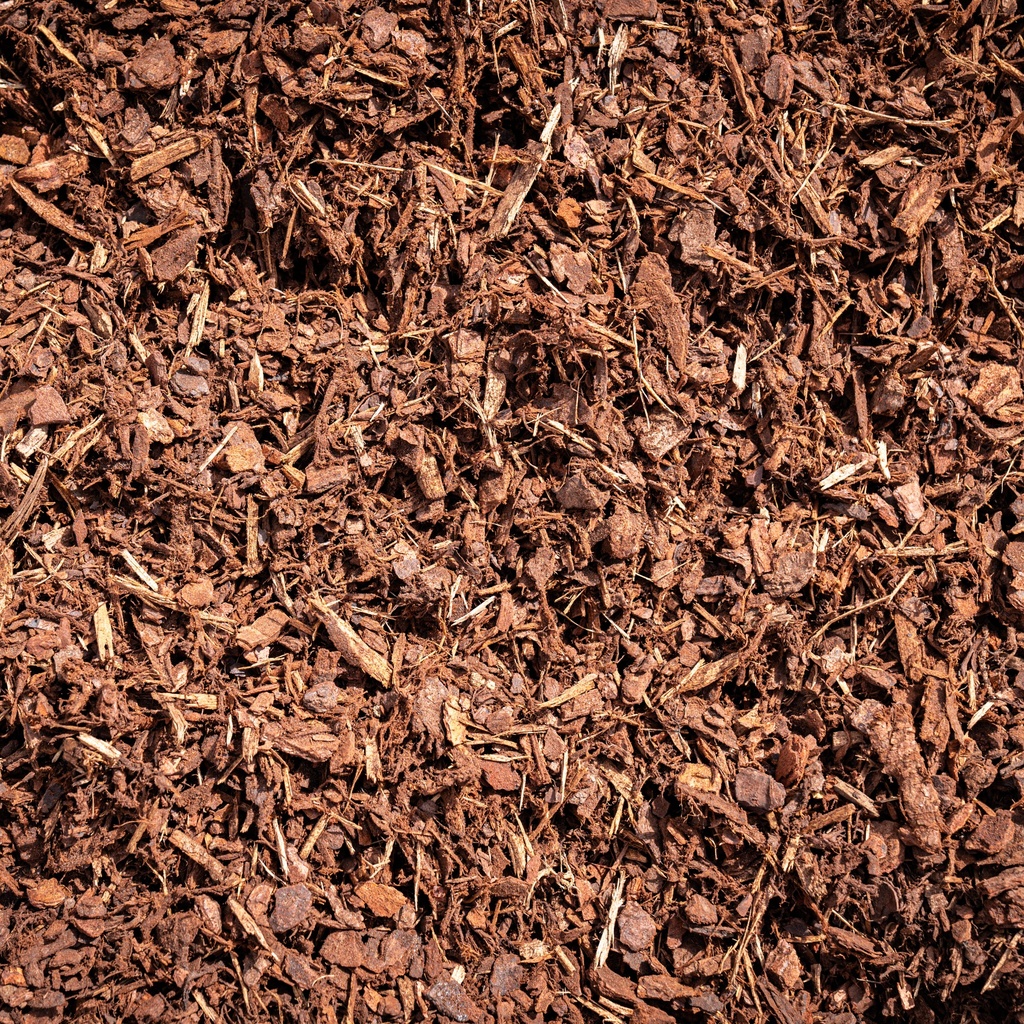
- Natural Look: No dye means a consistent, natural colour that suits cottage and native-style gardens.
- Moisture Retention: Insulates soil, reducing watering frequency through Melbourne's dry summers.
- Enhances Overall Soil Health: Improves soil structure and fertility, contributing to the overall health and vitality of your garden soil.
Product Disclaimer
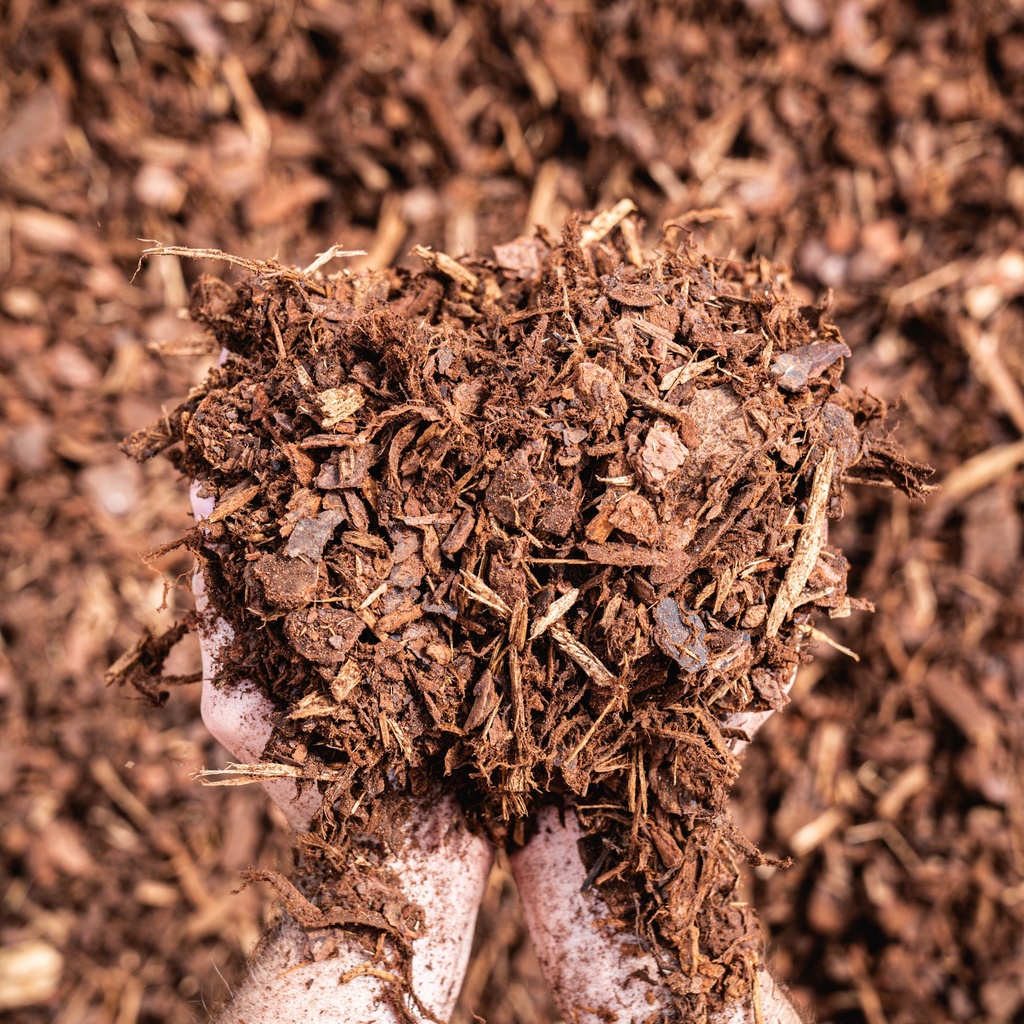
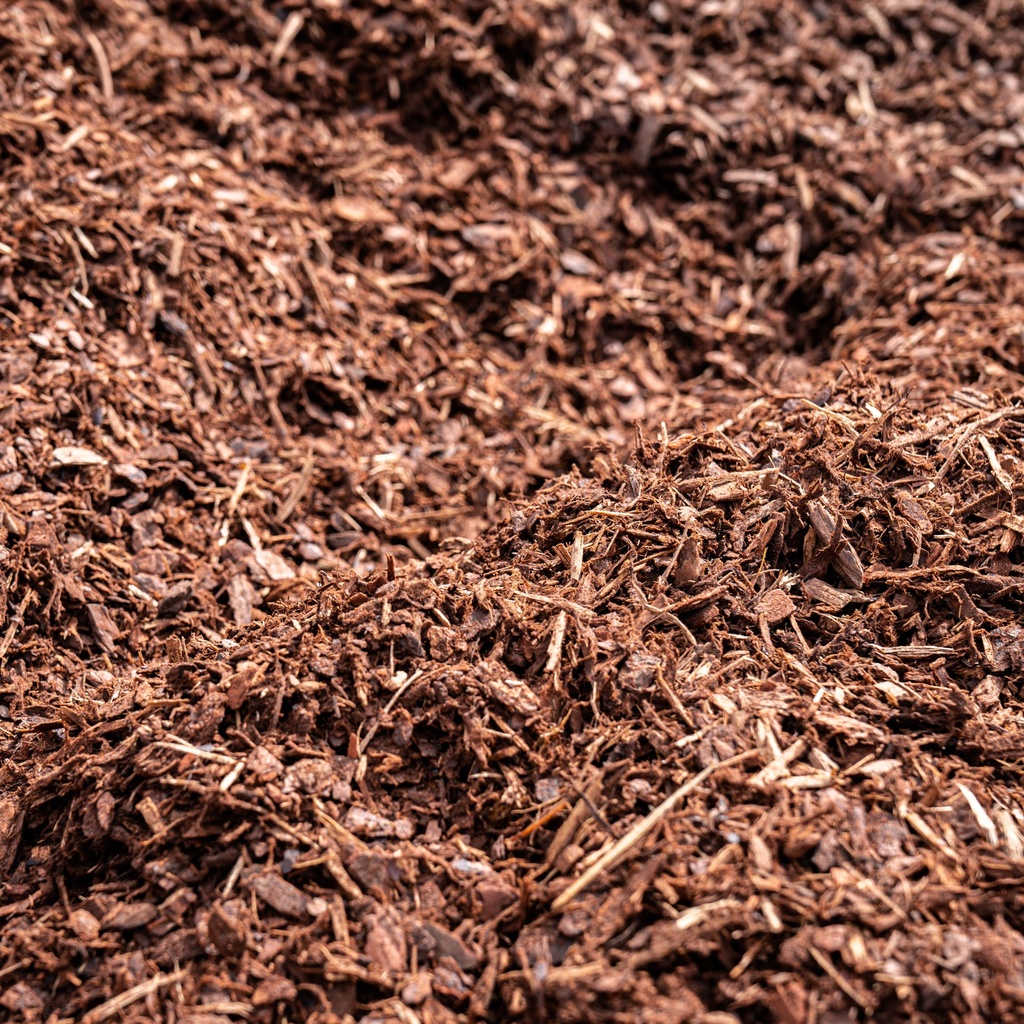
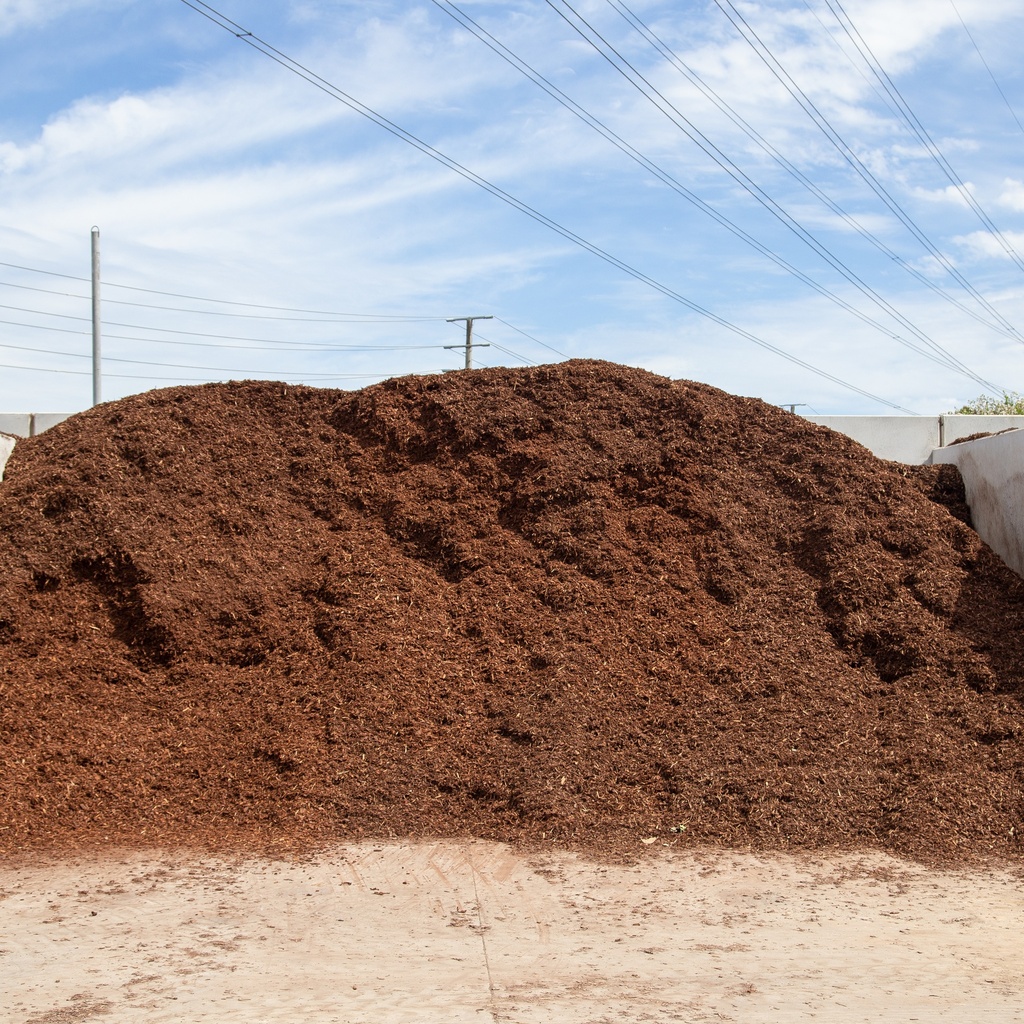
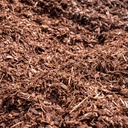
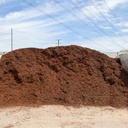
Please note: While we aim for consistency, slight colour variations from online images may occur due to the natural and recycled materials used. For the most accurate colour representation, we recommend visiting one of our stores before placing a large order.
- Prepare the area: Clear existing weeds and debris. Lay a weed mat first for maximum suppression.
- Apply at the right depth: Spread to 50–100 mm. Too thin and weeds can break through; too thick restricts water penetration.
- Keep clear of plant stems: Leave a 50 mm gap between mulch and plant stems or tree trunks to prevent moisture build up.
- Water it in. Give the area a good drink after mulching to settle the layer and start pushing moisture down to the roots.
- Natural Weathering: Over time and UV exposure, the surface layer will gradually silver slightly, a normal part of how bark ages outdoors.
- Keeping it Looking Fresh: A light rake or turn each season lifts the surface layer and brings the richer underlying colour back to the top.
- Even Coverage: Topping up thin or patchy spots as needed helps keep the bed looking consistent and full.
- Top up: Re-mulching for 10mm pine bark is recommended every 1-2 years. Remember that the thicker mulch is laid, the longer it lasts. Keep in mind that mulch laid over 100mm can reduce water entering the roots.
- Wear gloves when handling the mulch.
- Avoid contact with eyes and skin, and prevent inhalation of dust and vapours.
- Store away from open flames.
- Keep dry before and after installation.