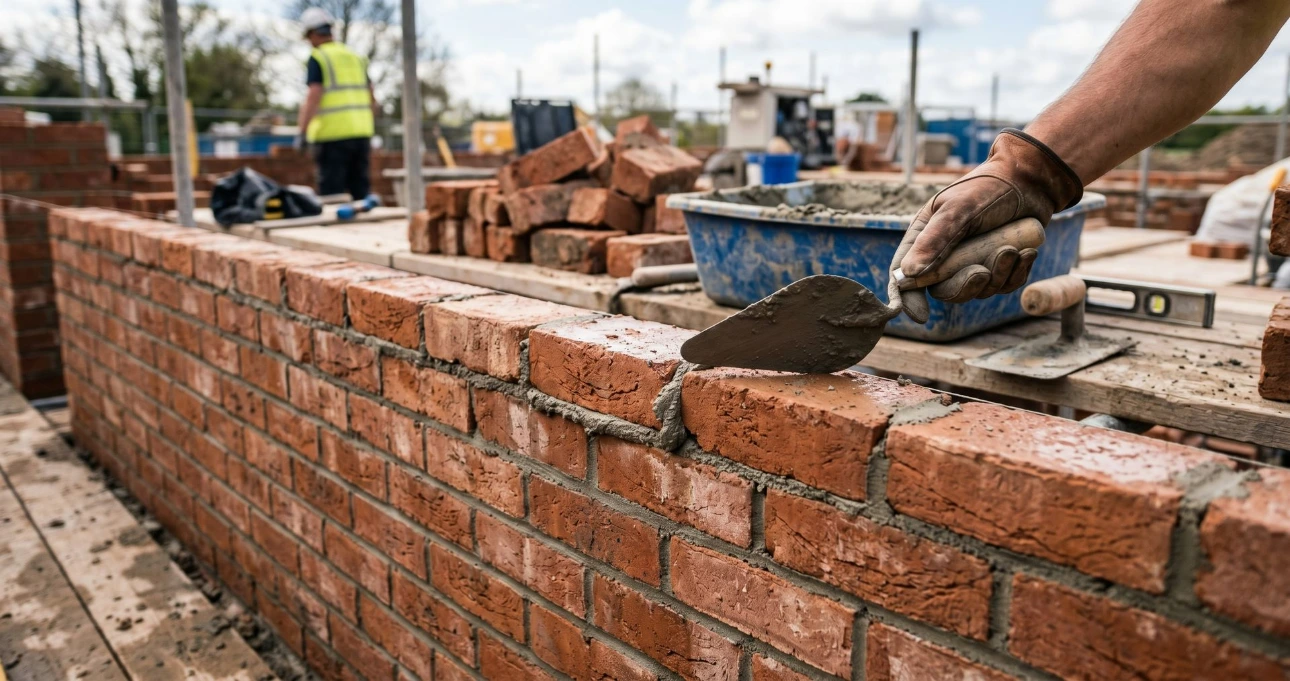
Brickies sand, also called bricklayer's sand or fatty sand, is the right choice for bricklaying mortar. Its high clay content makes it sticky, workable, and water-resistant once set. Here's everything you need to know about choosing the right type, mixing it correctly, and calculating how much you'll need.
What Is Brickies Sand?
Brickies sand is a purpose-blended sand with a higher clay content than standard building sands. That clay content is what sets it apart, it makes the sand "fatty" or sticky, so it holds together when mixed with cement and lime to form mortar.
The result is a workable mix that:
- Bonds strongly to bricks and blocks
- Stays pliable long enough to work with
- Hardens to a durable, water-repellent join
- Resists shrinkage as it dries
It differs from washed sand or plasterer's sand, which are finer and have lower clay content. For bricklaying, you want that clay.
Types of Brickies Sand
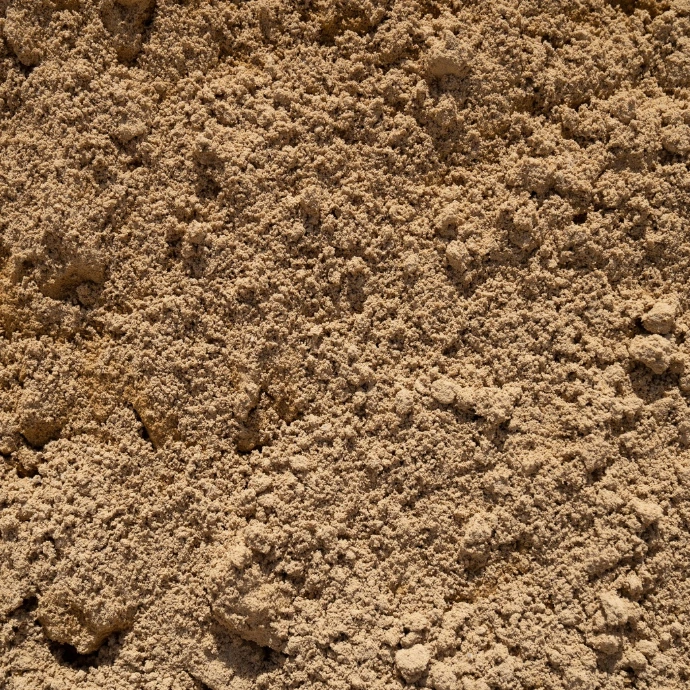
Yellow Brickies Sand (Premium Brick Sand)
Yellow sand typically has the highest clay content of the colour types. That makes it the most adhesive, with excellent water-repellent properties once cured.
It's the most common choice for:
- Standard bricklaying
- Retaining walls
- Paving and hard-stand areas
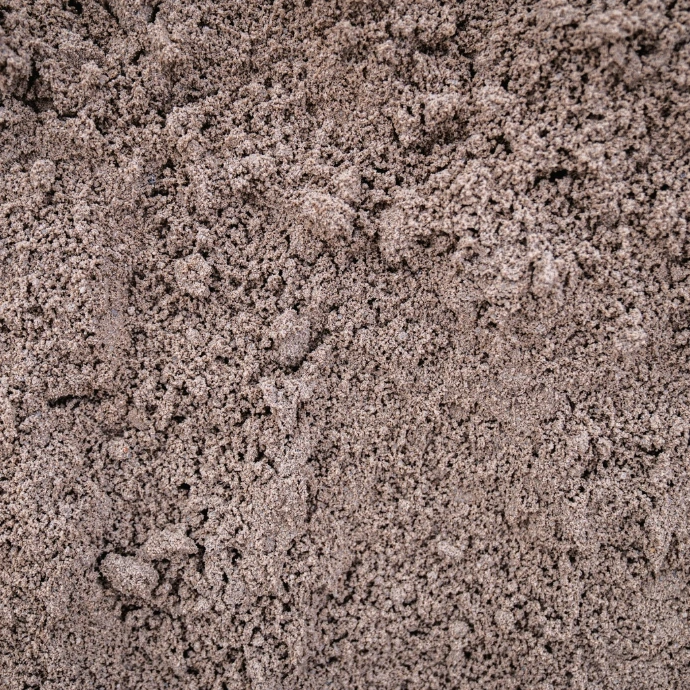
Grey Brickies Sand
Grey brick sand produces a lighter-coloured mortar joint, which suits contemporary and rendered brick finishes. Same workability as yellow sand, different look.
It's the most common choice for:
- Contemporary builds
- Rendered finishes
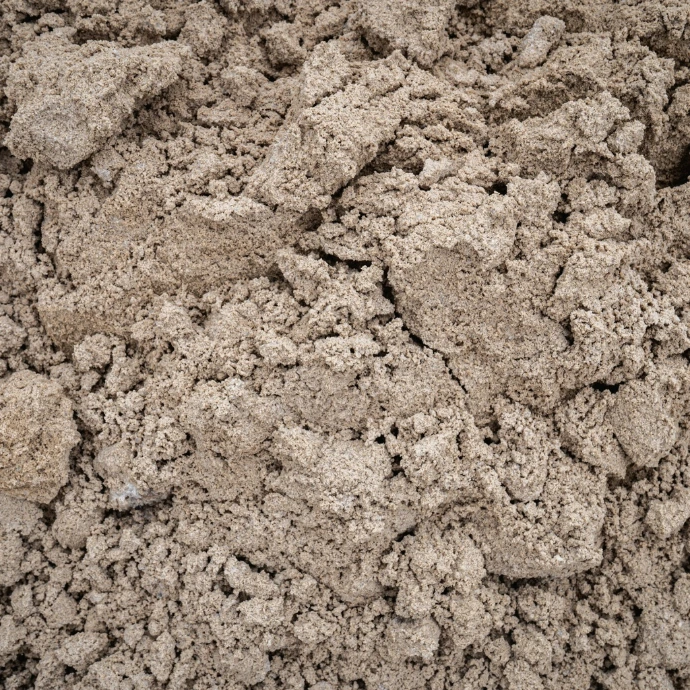
White Brickies Sand
White brick sand creates the lightest mortar joint which is ideal for feature walls, limestone blockwork, and modern architectural finishes.
It's the most common choice for:
- Feature walls
- Limestone
- Modern styles
You can also adjust mortar colour with pigments, but starting with the right sand colour is the easiest way to get a consistent result.
What Is Brickies Sand Used For?
Brickies sand isn't just for laying bricks. The clay and fines mix makes it useful across a range of masonry applications:
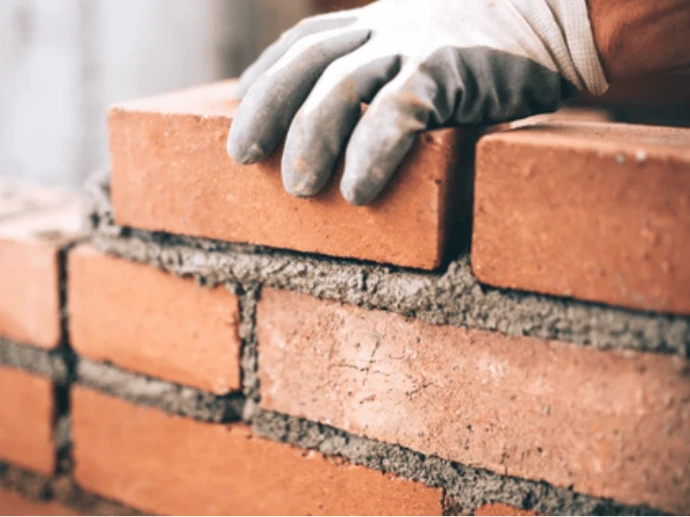
Bricklaying and blockwork
The primary use
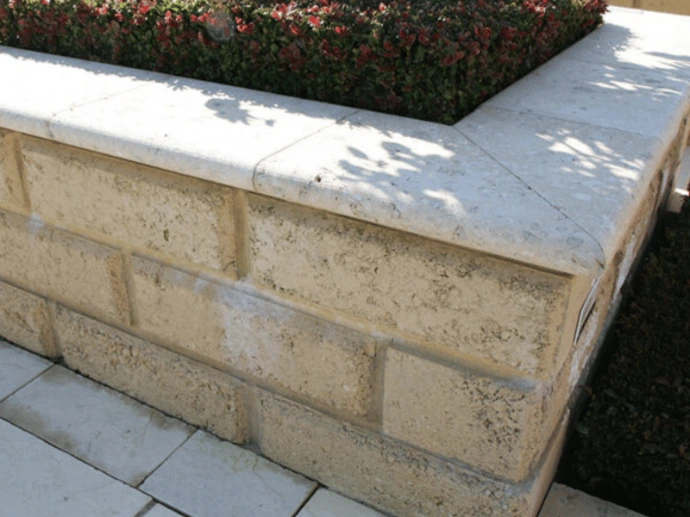
Limestone retaining walls
Bonds well between blocks
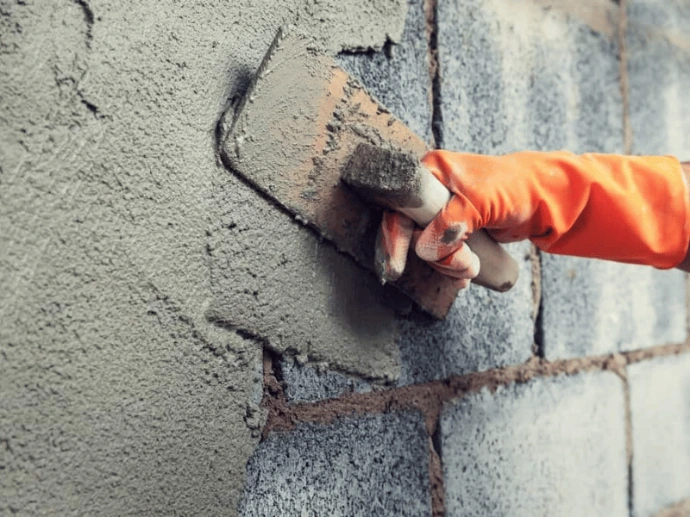
Wall construction
Standard brickwork and rendered walls
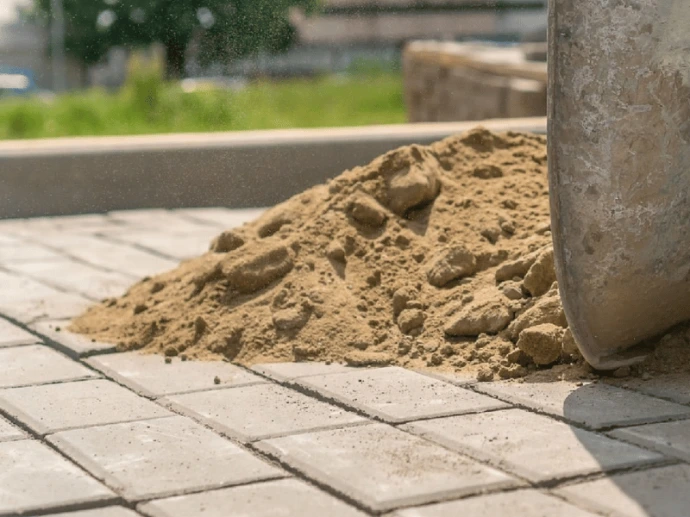
Sand joints
Between pavers or flagstones
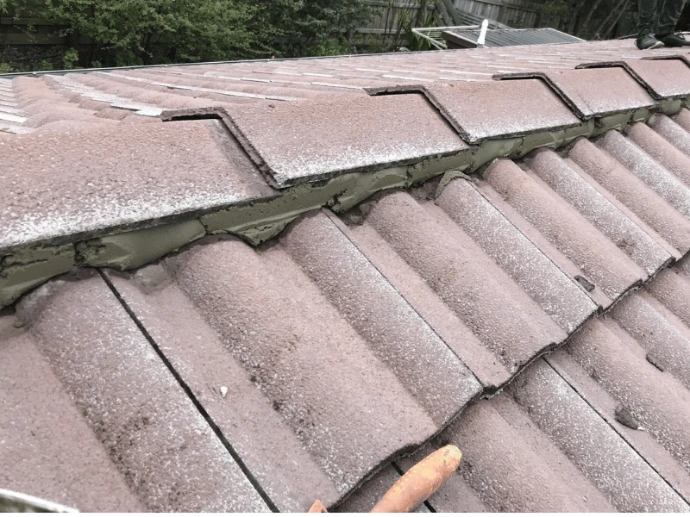
Roof capping
Mortar bed for ridge and hip tiles
Mortar Mix Ratio for Bricklaying
The standard bricklaying mortar mix is:
6 parts brickies sand : 1 part cement : 1 part lime
The lime component improves workability and reduces cracking. Traditionally, bricklayers used hydrated lime powder, but the industry has largely shifted to Gibco Liquid Lime for easier mixing and improved safety on site.
| Job | Sand Required | Cement Needed |
|---|---|---|
| 1,000 bricks | ~1 cubic metre | 8–10 bags |
| 500 bricks | ~0.5 cubic metres | 4–5 bags |
| Pallet of bricks (approx. 500) | ~0.5 cubic metres | 4–5 bags |
Shop Brickies Sand at Daisy's Garden Supplies
Daisy's stocks yellow, grey, and white brickies sand, available in bulk bags or loose loads, delivered across Melbourne and Victoria
FAQs About Bricklaying Sand
Brickies sand either yellow, grey, or white is the best choice. It has the right clay content to create a strong, workable, water-resistant mortar. Builder's sand or masonry sand can also work in some applications, but brickies sand is the professional standard.
No. Washed sands, river sands, and fine sands lack the clay content needed for proper mortar. Always use brickies sand (also called brick sand or mortar sand) to ensure your mortar bonds correctly and doesn't shrink or crack.
Brickies sand has a higher clay/fines content, making it stickier and more water-repellent. Builder's sand (also called plasterer's sand or fine sand) is cleaner and finer and better for rendering and plastering. For laying bricks, brickies sand is the right call.
6 parts brickies sand to 1 part cement to 1 part hydrated lime (or liquid lime equivalent). This gives a strong, workable mortar that sets firm without being brittle.
Approximately 1 cubic metre of brickies sand, with 8–10 bags of cement. Coverage will vary slightly with brick size and joint thickness.
Yes, the sand colour directly affects the finished colour of the mortar joint. Yellow sand gives a warm tone, grey gives a cooler finish, and white sand produces the lightest result. Choose based on your brick colour and aesthetic preference.