How Long Each Type of Mulch Lasts
| Mulch type | Expected lifespan | Notes |
|---|---|---|
| Sugar cane mulch | 6–12 months | Breaks down quickly — great for soil, needs topping up more often |
| Straw / pea straw | 6–12 months | Decomposes fast, especially in wet conditions |
| Lucerne / alfalfa | 6–12 months | High nutrient value, short lifespan |
| Wood chips | 1–2 years | Coarser texture slows breakdown |
| Pine bark | 1–3 years | Chunky nuggets last longer than fine bark |
| Eucey mulch | 1–2 years | Medium particle size, good all-rounder |
| Tree mulch | 1–2 years | Variable depending on what's in the mix |
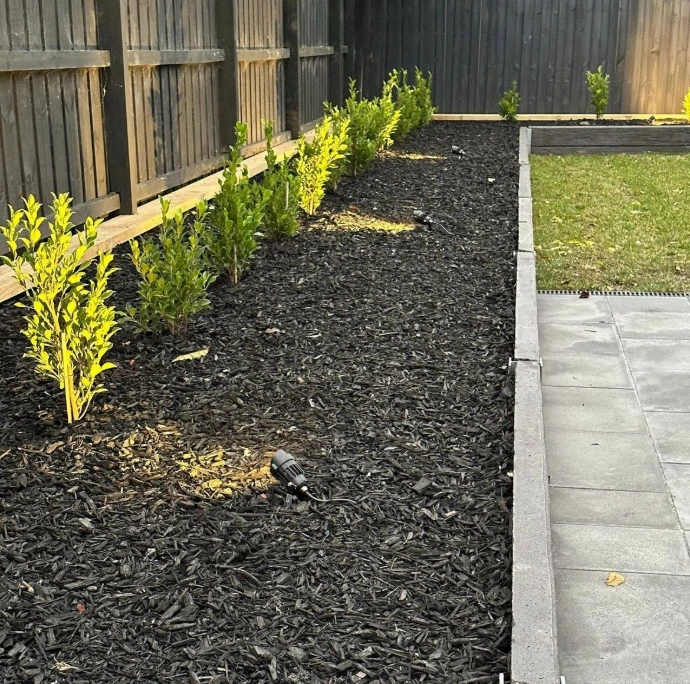
| 1–2 years | Mulch lasts; colour fades at 18–24 months | |
1-2 years | Mulch lasts; colour fades at 18–24 months | |
1-3 years | Top-ups are typically required every 12 months, particularly for high-traffic playgrounds | |
1-2 years | Breaks down faster than chunky bark due to particle size, but composting adds stability | |
| Gravel / crushed rock | Indefinite | No decomposition — occasional top-up for coverage |
| Stones / pebbles | Indefinite | May need cleaning or raking over time |
| Rubber mulch | 10+ years | Very long lifespan, no soil benefit |
What Makes Mulch Break Down Faster?
Heat and humidity

Thin layers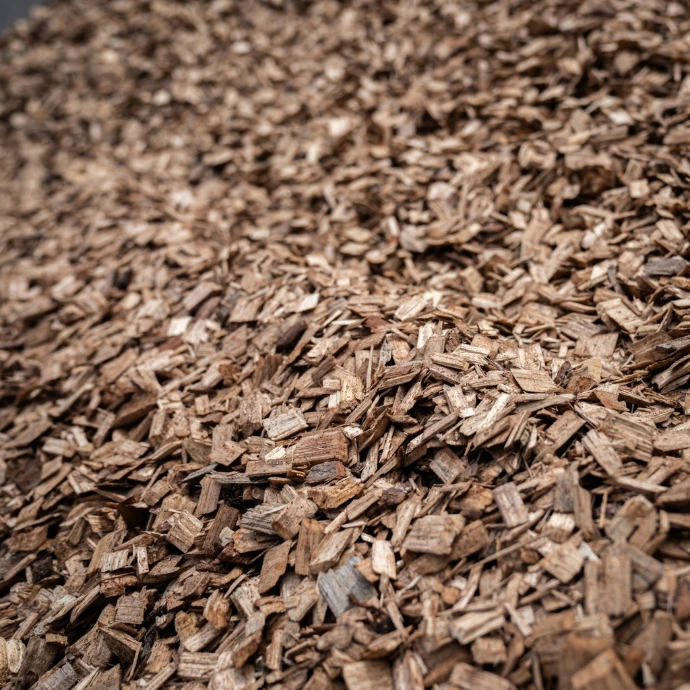
Mulch laid under 50mm degrades faster and provides less protection. Aim for 75–100mm for best results.
High foot or pet traffic

Compaction breaks down the structure and mixes mulch into soil faster.
Soil contact
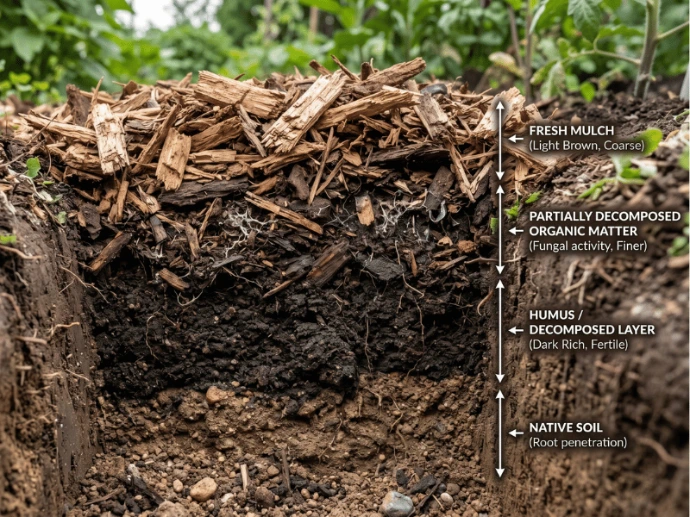
The bottom layer in contact with soil decomposes first. The top stays fresh longer.
How to Tell When Mulch Needs Topping Up
2.Weeds are breaking through
a sure sign the layer is no longer thick enough to suppress them
3.Soil dries out quickly after rain
The mulch has broken down too far to hold moisture effectively
4.Surface looks grey or bleached
organic mulch that's broken down loses its colour and structure
5.Coloured mulch has faded
Dyed mulches typically hold colour for 18–24 months
You don't need to remove old mulch before topping up. In most cases, just add a fresh layer on top, the broken-down material underneath is already doing good work as organic matter.
1.Layer is under 50mm thick
you can see soil in patches or the layer looks thin when you pull it back
How Often Should You Top Up Mulch?
- Fine organic mulches (sugar cane, straw, lucerne): top up every 6–12 months, ideally each spring
- Medium organic mulches (wood chips, eucey, tree mulch): top up every 12–24 months
- Coarse organic mulches (pine bark nuggets): top up every 2–3 years
- Inorganic mulches (gravel, pebbles): top up only when coverage thins out from displacement — years apart
How Much Mulch Do You Need?
Not All Mulch Does the Same Job
- Organic mulches (wood chips, bark, sugar cane, straw) break down and improve soil structure, feed soil microbes, and add organic matter. The faster they break down, the more immediately they feed the soil.
- Inorganic mulches (gravel, stones, rubber) don't add nutrients to the soil. They're used for weed suppression, drainage management, or aesthetics.
Browse our mulch range at Daisy's Garden Supplies
Frequently asked questions
Use our Volume Calculator to accurately calculate how much you need.